
What Coca-Cola’s “Share a Coke” Campaign Teaches Small Businesses About Personalized Marketing
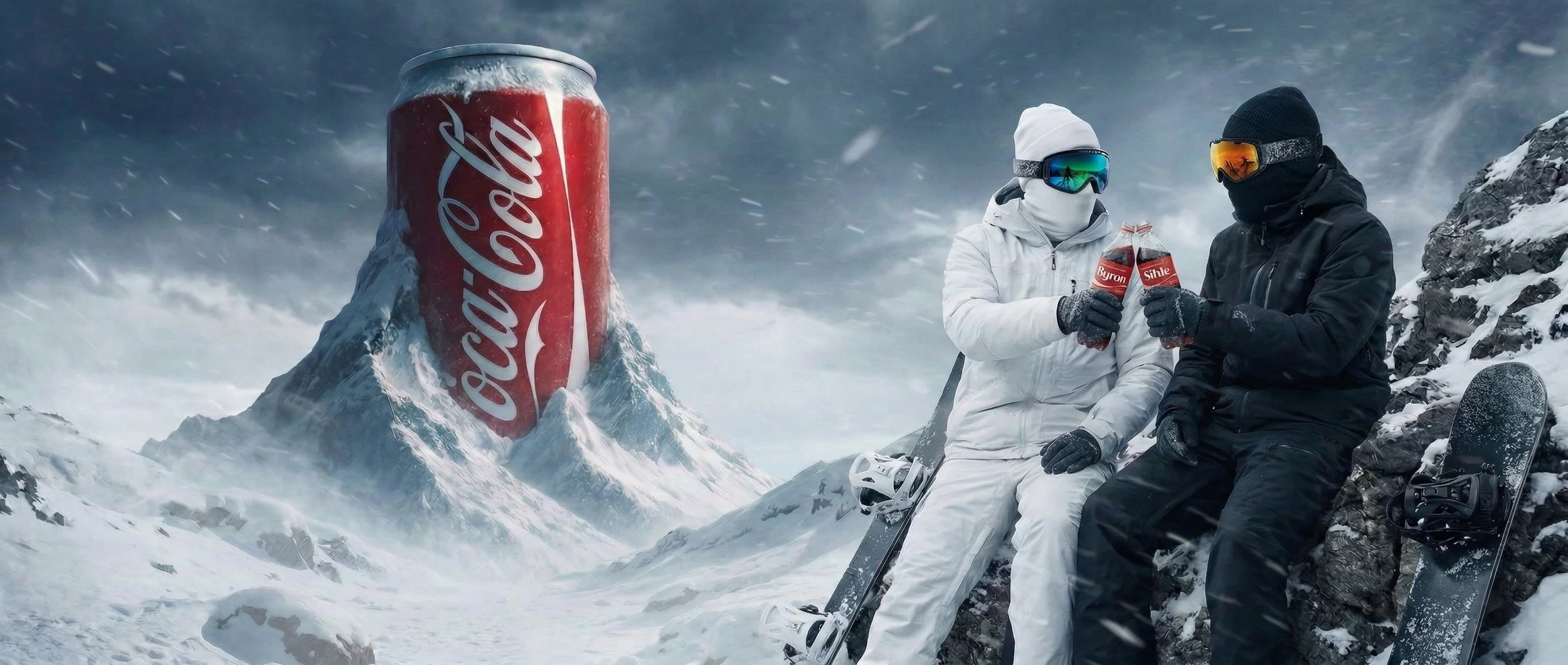
In 2011, Coca-Cola made a bold strategic move.
They removed their iconic logo from bottles and replaced it with something far more powerful: people’s names.
At scale, this was radical.
But strategically, it was precise.
The “Share a Coke” campaign became one of the most successful examples of personalized marketing in modern brand history and it offers critical lessons for small businesses looking to grow in competitive markets.
This wasn’t decoration.
It was engineered relevance.
The Strategy Behind “Share a Coke
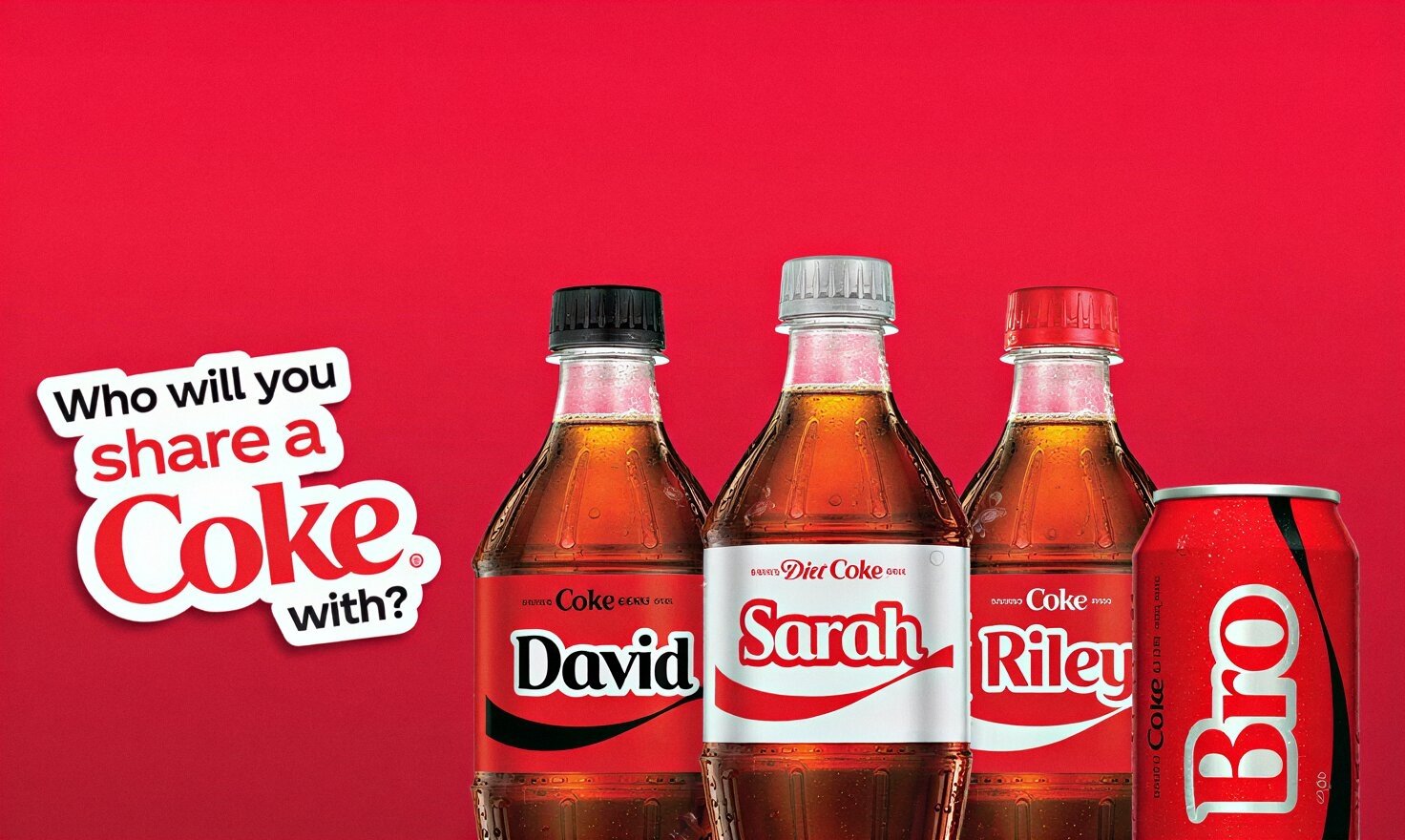
Instead of broadcasting one universal message, Coca-Cola localized and individualized their product experience.
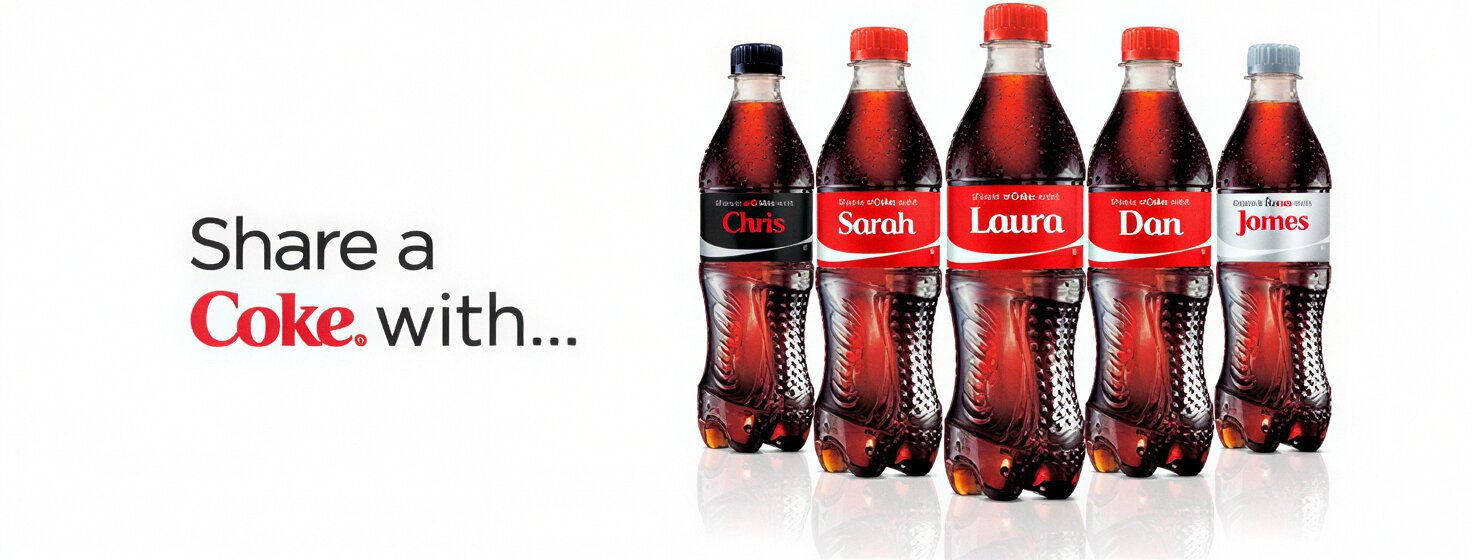
They printed the most popular names in each region directly onto bottles and cans. Customers were encouraged to “Share a Coke” with friends, family members, or themselves.
That small shift transformed the product from a commodity into a personal object.
Consumers didn’t just buy a drink.
They searched for their name.
They shared it online.
They gifted it.
The campaign created interaction at shelf level something most brands fail to achieve.
That is the power of structured personalized marketing.
The Results: Real Commercial Impact
The campaign delivered measurable results across multiple markets:
In Australia, consumption among young adults increased by 7%
More than 250 million personalized bottles were sold during the first phase
In the United States, Coca-Cola saw its first sales growth in years during the campaign
The campaign generated over 500,000 user-generated photos
Millions of new social media followers were acquired
Engagement rates increased significantly across platforms
Most importantly, it reversed declining sales trends in key demographics.
This was not creative luck.
It was strategy executed at scale.
Why Personalized Marketing Works
Personalized marketing works because it aligns with how humans make decisions.
There are three core psychological drivers:
1. Identity Recognition
When someone sees their name or personal reference, attention increases immediately.
2. Emotional Ownership
Personalization creates perceived ownership, increasing perceived value.
3. Social Currency
People are more likely to share content that feels personal or unique.
For small businesses, this is critical.
Generic marketing blends into the background.
Personalized marketing commands attention.
What This Means for Small Businesses
You may not have Coca-Cola’s global distribution.
But you do not need it.
Personalized marketing today is more accessible than ever.
Here’s how small businesses can apply the same principles strategically:
1. Website Personalization
Dynamic landing pages based on traffic source
Location-based messaging
Tailored service recommendations
2. Email Marketing
Behavior-triggered campaigns
Segmented lists based on purchase history
Personalized follow-up sequences
3. Digital Campaigns
Retargeting ads that reference viewed products
Dynamic creative based on audience segments
Stage-based messaging across the buyer journey
4. Branding & Packaging
Personalized inserts
Limited edition naming campaigns
Custom onboarding experiences
The goal is not surface-level customization.
The goal is strategic relevance.
The Commercial Advantage of Personalized Marketing
When personalization is structured correctly, it drives:
Higher conversion rates
Increased customer retention
Stronger brand recall
Higher average order value
Improved customer lifetime value
For small businesses operating with limited budgets, this means:
Less wasted spend.
Higher efficiency.
Stronger margins.
Personalized marketing transforms your brand from transactional to relational.
And relational brands scale faster.
The Strategic Mistake Most Businesses Make
Many businesses confuse personalization with inserting a first name into an email subject line.
That is not strategy.
True personalized marketing requires:
Data collection systems
Audience segmentation
Conversion-focused website architecture
Integrated email lifecycle systems
Structured paid acquisition funnels
Personalization is not a tactic.
It is a system.
How to Start Implementing Personalized Marketing
If you are a small business owner, here is a structured starting point:
Step 1: Audit your current customer data.
Step 2: Identify key behavioral segments.
Step 3: Align messaging to buyer stages.
Step 4: Measure conversion impact.
Step 5: Automate high-performing journeys.
Start small.
Scale what works.
Final Insight
“Share a Coke” was not about printing names.
It was about engineering relevance into the product experience.
In today’s market, attention is fragmented and competition is intense.
The brands that grow are the brands that feel personal.
If you need help developing a strategy or personalizing your next campaign, work with us.
At Creative Perspective, we design structured brand systems and conversion-focused digital ecosystems for ambitious businesses ready to scale.
We build:
Conversion-optimized websites
Strategic branding systems
Personalized email marketing frameworks
High-performance digital campaigns
Scalable growth architecture
We do not create noise.
We engineer clarity, authority, and measurable growth.
If you are ready to move beyond generic marketing and build a personalized marketing system that drives real business results, let’s build it properly.
Work with us.