
How Naked Insurance Turned a Simple Billboard Idea Into a National Conversation
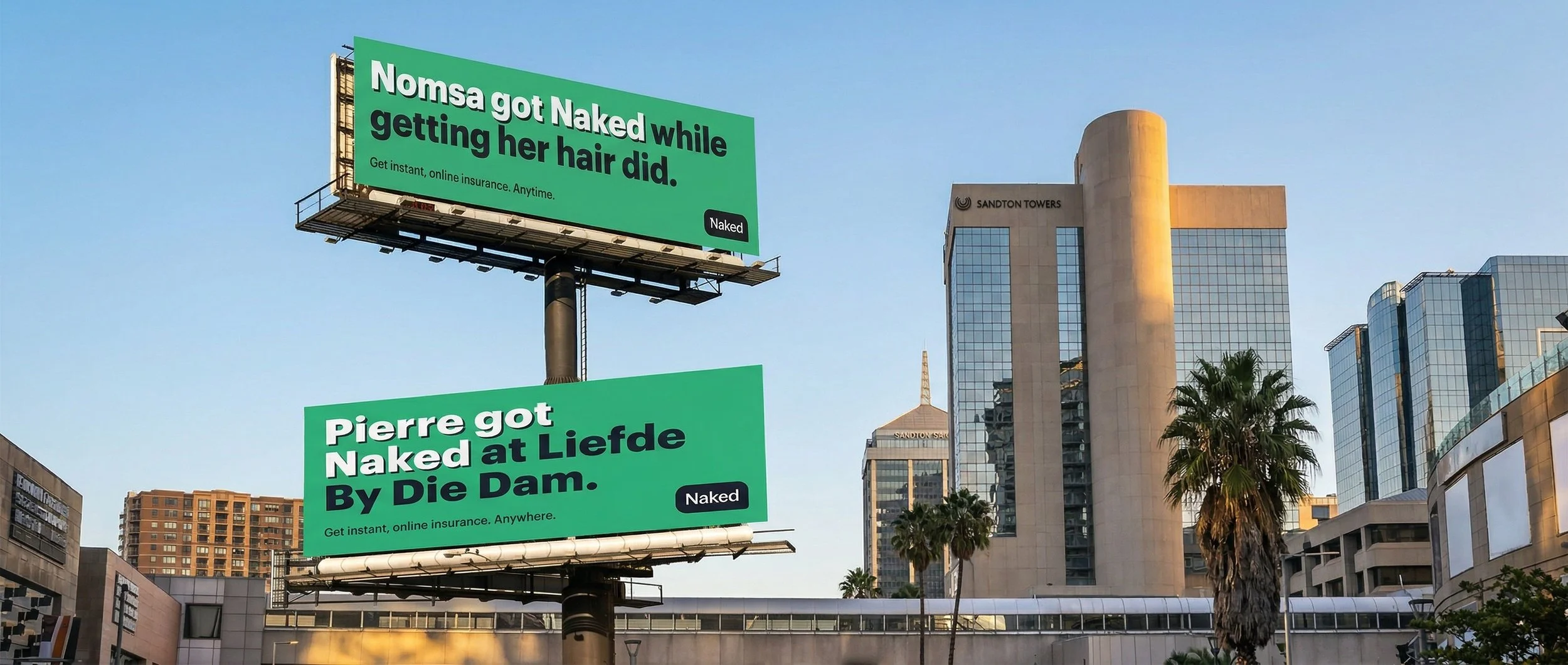
In a category known for complexity, Naked Insurance did something refreshingly simple.
They put ordinary people’s names on billboards.
And South Africa couldn’t stop talking about it.
The “Get Naked” campaign is a powerful example of how clarity, relevance, and quick thinking can turn traditional advertising into a cultural moment.
For marketing leaders, it offers a clear lesson:
Simple ideas — executed well — travel far.
The Idea Was Personal
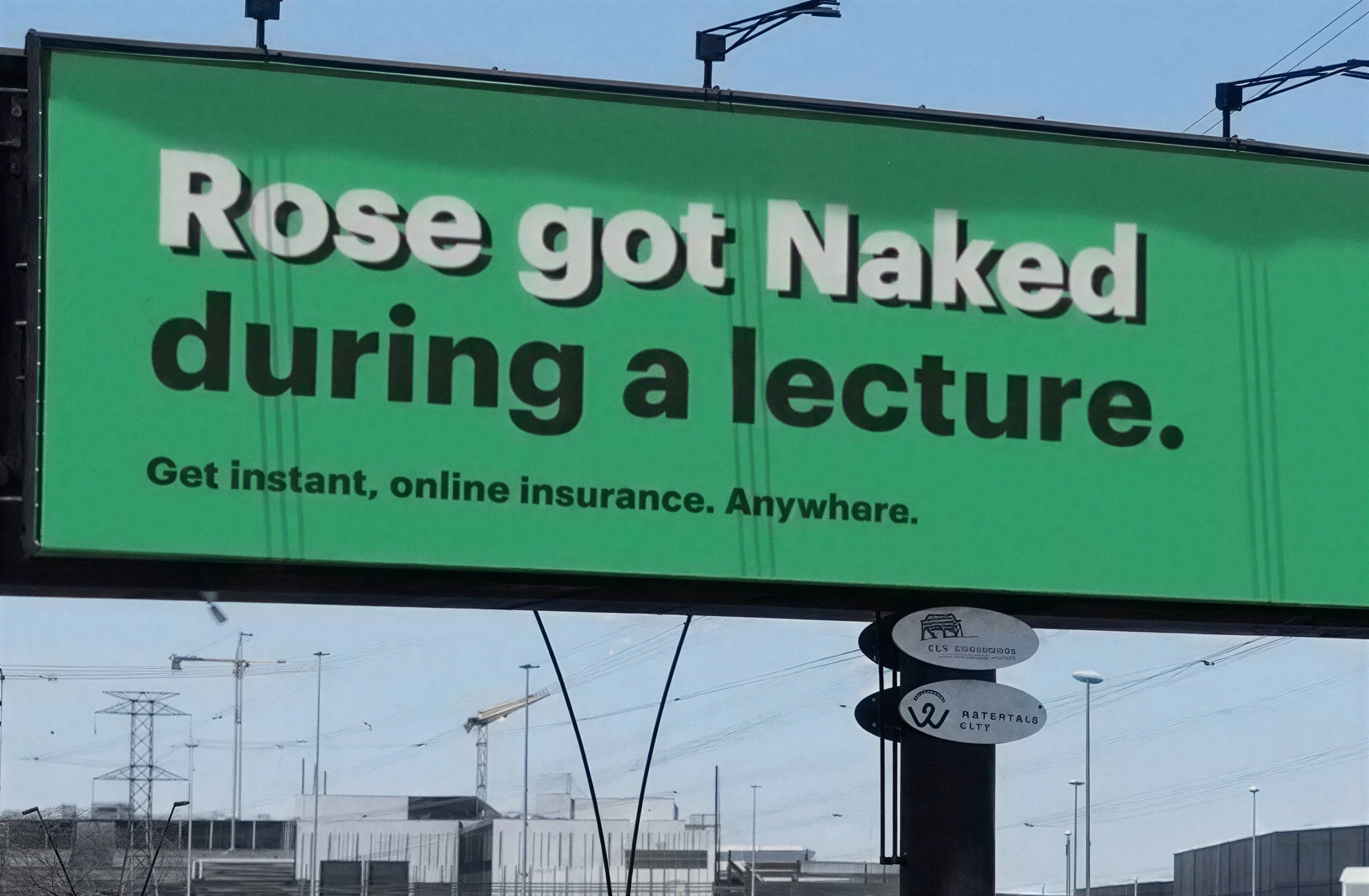
Instead of writing generic insurance copy, Naked Insurance launched billboards that said things like:
“Thabo got Naked at the traffic light.”
“Tamryn got Naked at the hairdresser.”
“Siyabonga got Naked at the mall.”
The message was short.
The design was clean.
The name felt familiar.
And that’s what made people look twice.
When someone sees their name or a friend’s name on a billboard, it stops being just an ad.
It becomes something worth sharing.
When Outdoor Became Social
The real turning point came after launch.
People began:
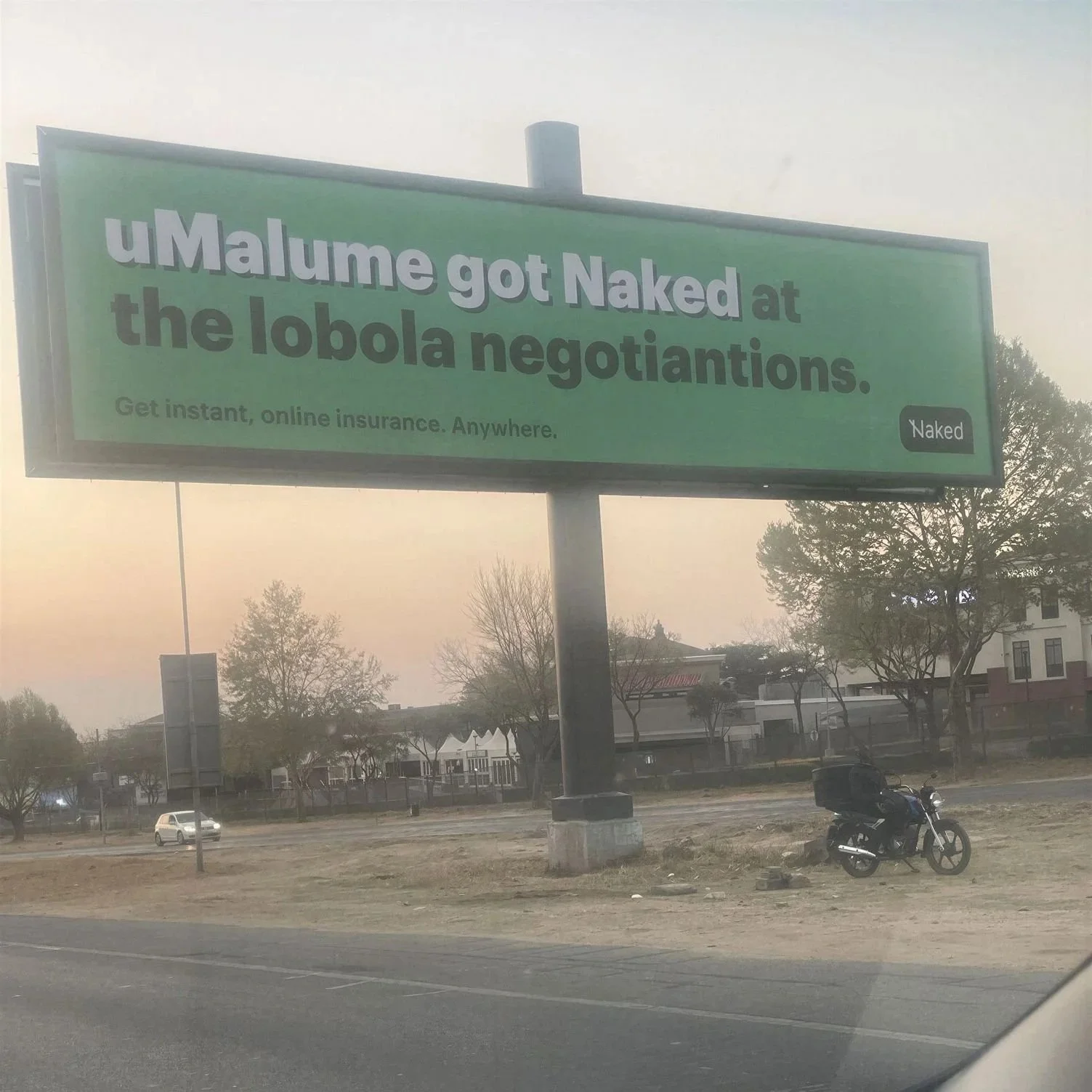
Taking photos of the billboards
Posting them on TikTok
Tagging friends
Asking to see their own names featured
Without increasing media spend, the campaign generated millions of organic views online.
At that point, it stopped being just outdoor advertising.
It became a shared experience.
For large brands, this is the key insight:
When advertising is designed to be shareable, distribution multiplies without additional spend.
They Moved Fast
As more people asked to see their names on billboards, Naked Insurance responded quickly.
They created personalised versions and shared them online hundreds of names, fast turnaround times.
Many campaigns lose momentum because internal processes slow them down.
Here, the brand was ready to respond.
And that kept the conversation alive.
Why Naked Insurance’s Campaign Worked
There are a few clear reasons:
1. It Was Easy to Understand
No explanation needed.
The message was short and direct.
2. It Felt Personal
Names make things relatable.
3. It Was Built to Travel
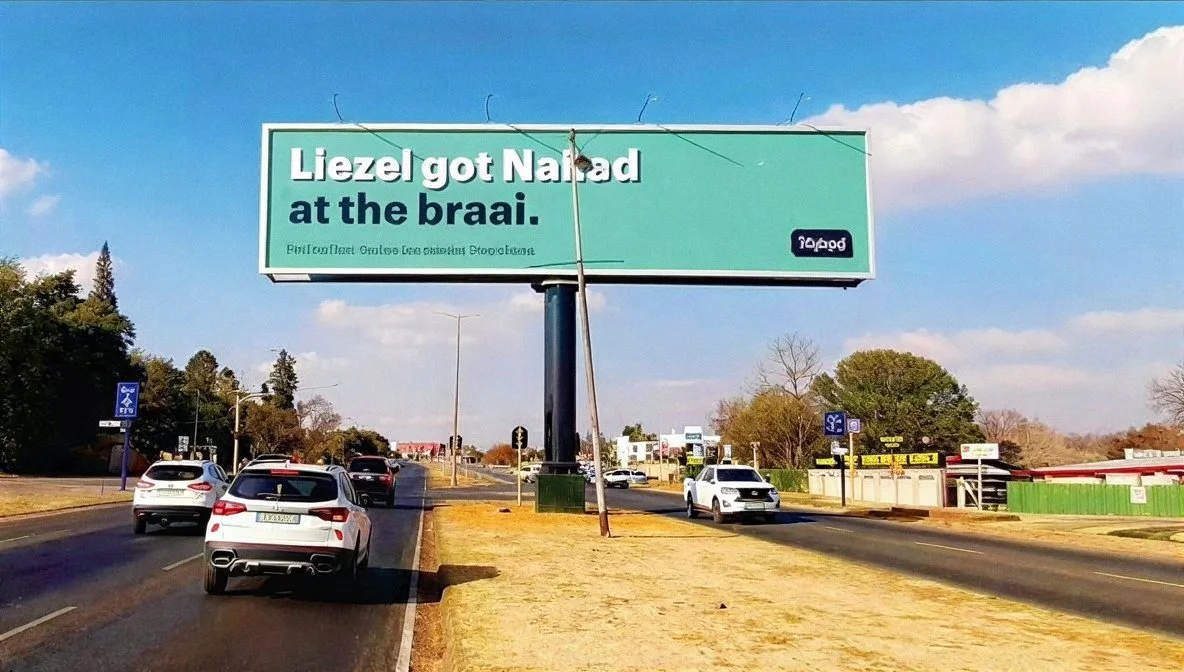
Clean design made it easy to photograph and post.
4. The Business Was Ready
The app and onboarding process were simple.
Interest could turn into action.
Attention only matters if your business can convert it.
The Bigger Lesson for Marketing Leaders
If you're leading marketing in a large organisation, this campaign raises important questions:
Are our ideas simple enough to spread?
Would someone take a photo of our ad?
Can we respond quickly if a campaign gains traction?
Is our website ready if traffic spikes?
Does our message clearly reflect how the business actually works?
Many brands invest heavily in creative.
But what makes campaigns powerful is alignment between idea, execution, and customer experience.
When those pieces fit together, marketing becomes momentum.
Planning Your Next Campaign?
If you're preparing a national rollout, a repositioning project, or a personalised campaign at scale, the question isn’t just:
“Is this creative strong?”
It’s:
“Is everything behind it ready to support growth?”
If you need help with:
Clarifying your positioning
Structuring your campaign approach
Personalising at scale
Aligning brand and digital experience
Turning attention into measurable growth
Work with us.
At Creative Perspective, we help ambitious organisations design brand systems and digital foundations that are built to scale.
Because awareness alone doesn’t grow a business.
Structure does.