
How Surreal Engineered Viral Marketing with Fake Celebrity Campaigns
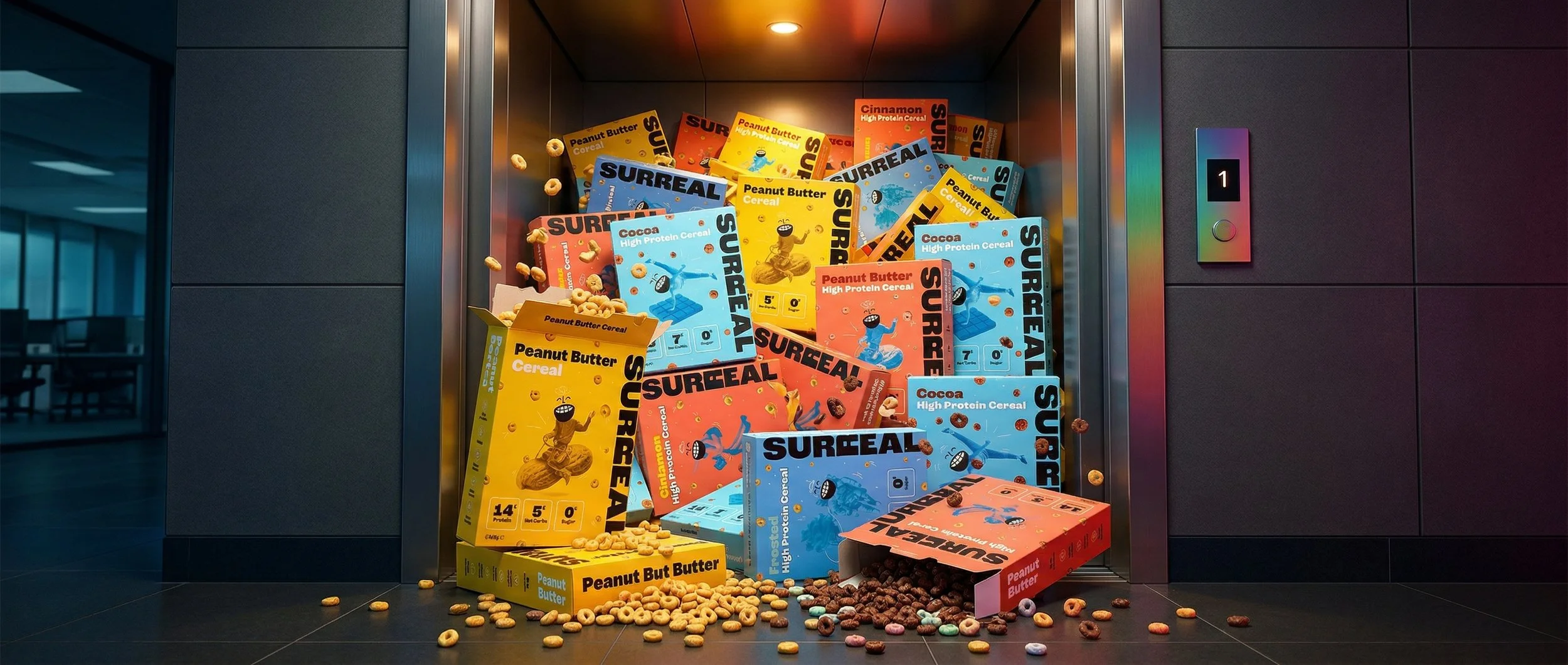
Most brands chase celebrity endorsements.
Surreal did the opposite.
Instead of paying real celebrities, they invented fake ones.
The result wasn’t just humor.
It was a deliberate viral marketing strategy that generated disproportionate attention in one of the most crowded consumer categories in the UK.
For founders and e-commerce brands, this wasn’t a gimmick.
It was strategic positioning disguised as satire.
Let’s break down how it worked and how you can apply the same principles.
The Fake Celebrity Campaigns
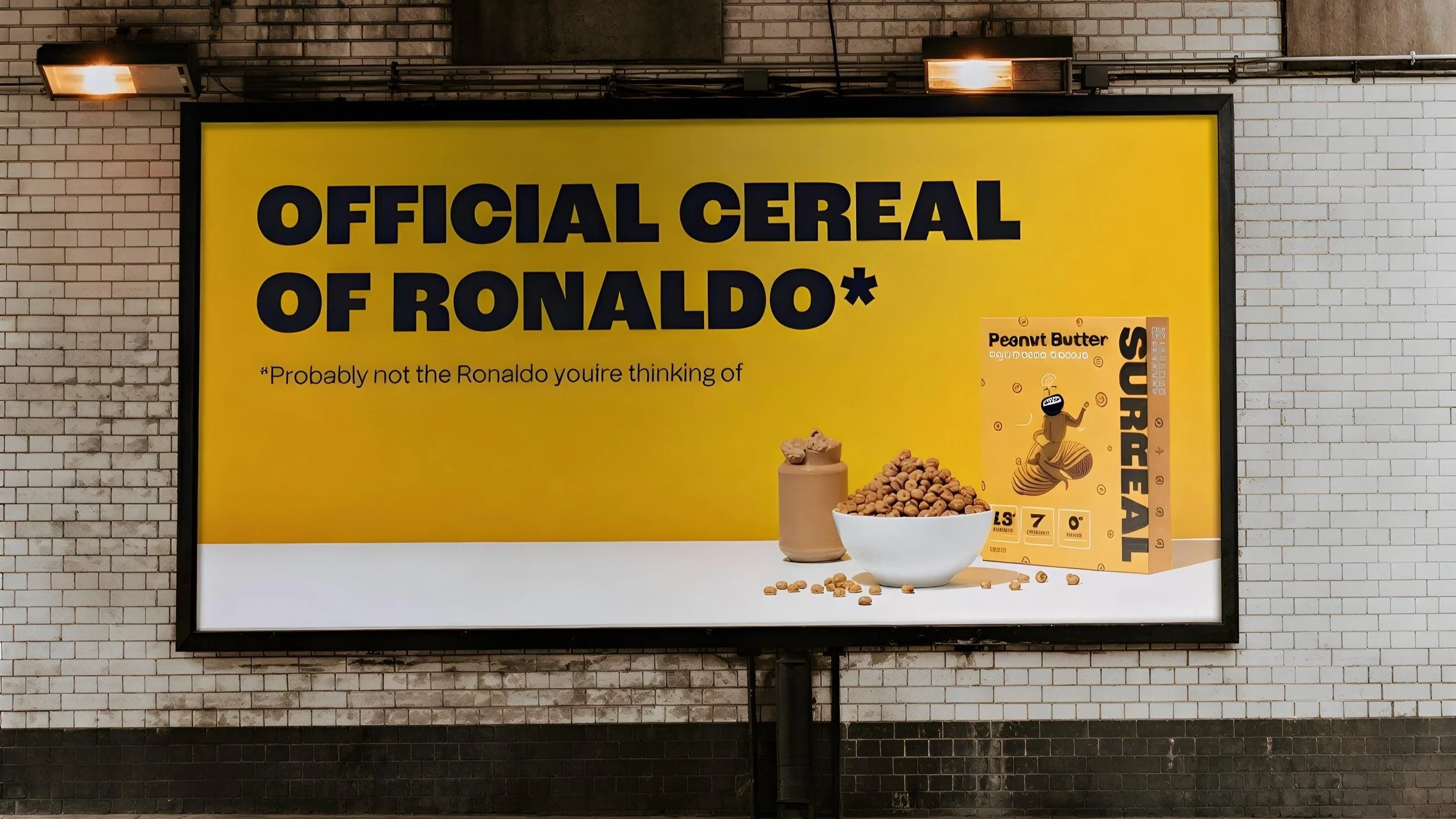
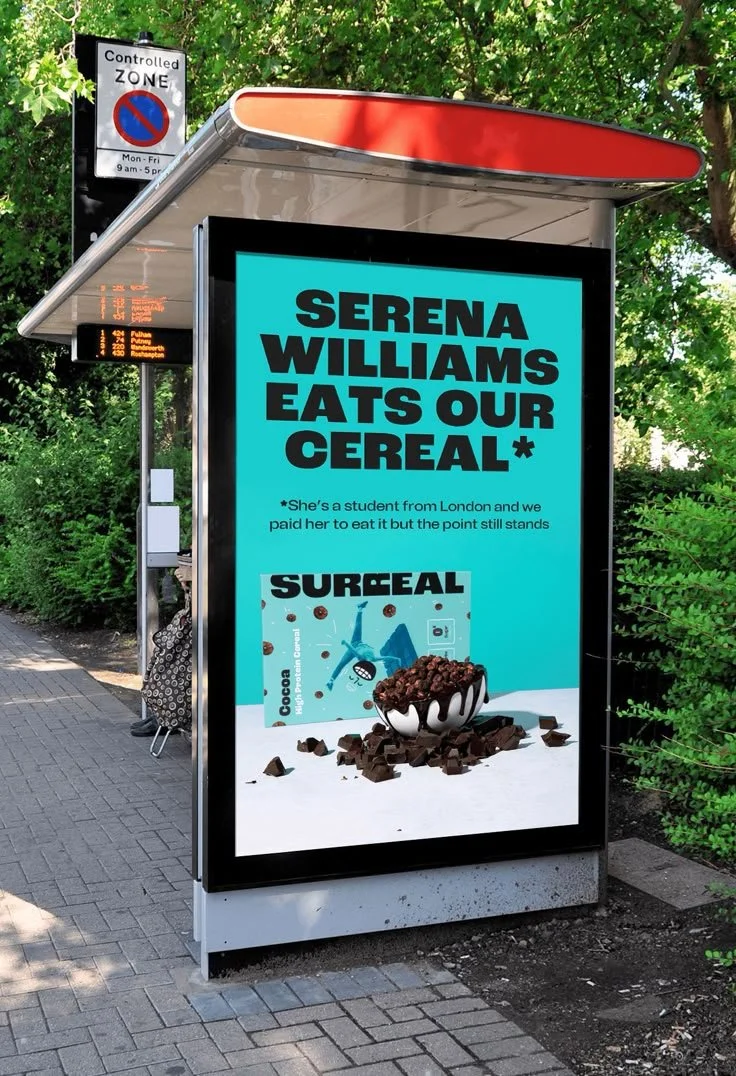
Surreal launched campaigns featuring fictional celebrity endorsements complete with dramatic photos, oversized quotes, and exaggerated claims.
The ads mimicked everything you’d expect from a traditional celebrity-backed food campaign:
Authority positioning
Glamour photography
Overconfident testimonials
Big-budget visual cues
Except the celebrities didn’t exist.
And that was the entire point.
By parodying endorsement culture, Surreal turned a tired industry tactic into a conversation driver.
Why This Was Strategic Viral Marketing (Not Just Humor)
1. It Subverted an Industry Norm
Celebrity endorsements in CPG are expensive and predictable.
Surreal flipped the script: “If endorsements are absurd, let’s make them obviously absurd.”
This did three things instantly:
Differentiated them from legacy cereal brands
Positioned them as culturally self-aware
Made the campaign inherently shareable
Viral marketing thrives on pattern disruption.
Surreal engineered disruption into the creative itself.
2. It Turned Budget Constraints Into Brand Advantage
Most early-stage brands cannot afford celebrity talent.
Instead of trying to imitate multinational competitors, Surreal reframed the absence of budget as a creative edge.
They exposed the artificiality of endorsement marketing while still enjoying the attention structure it creates.
Founders often believe scale requires imitation.
Surreal proved scale can come from strategic contrast.
3. It Was Designed for Distribution
These campaigns weren’t built for TV.
They were built for:
Instagram screenshots
LinkedIn reposts
Twitter/X commentary
Group chat sharing
The creative was bold enough to pause the scroll.
Clear enough to understand instantly.
Absurd enough to spark conversation.
That’s the anatomy of modern viral marketing.
The Strategic Intelligence Behind the Satire
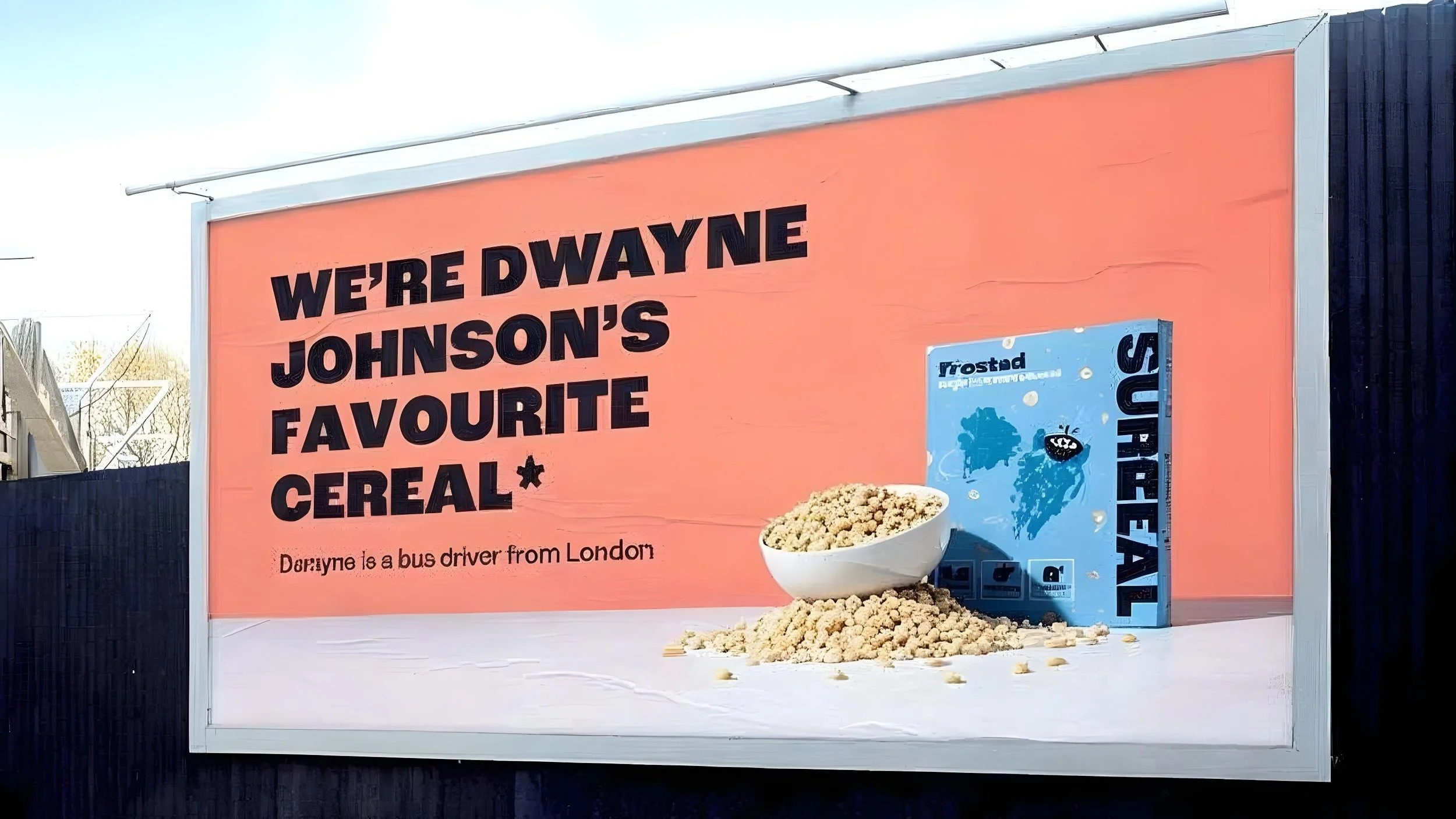
The fake celebrity concept worked because it operated on multiple levels:
Layer 1: Satire
It mocked endorsement culture.
Layer 2: Cultural Commentary
It highlighted how empty celebrity approval can feel.
Layer 3: Product Reinforcement
Even within the joke, Surreal’s value proposition remained clear:
High protein
Low sugar
Designed for adults
The product never disappeared behind the humor.
That distinction is critical.
Viral marketing that detaches from product value creates noise.
Surreal ensured the joke strengthened differentiation.
The Results
While individual campaign metrics aren’t always public, Surreal’s broader growth trajectory includes:
Multi-million pound annual revenue growth within a few years of launch
Rapid UK retail expansion
Strong brand recall relative to spend
Recognition as one of the most talked-about challenger food brands
Most importantly:
They built brand presence disproportionate to their size.
That’s the leverage viral marketing provides when rooted in strategy.
The Psychology Behind Fake Celebrity Marketing
Understanding why this worked matters more than copying the format.
Pattern Disruption
Consumers expect: “Celebrity holding product.”
They received: “Who is this person and is this serious?”
The unexpected creates cognitive pause.
Pause creates attention.
Attention creates shareability.
Social Currency
Sharing the ad signals intelligence: “I get the joke.”
People share content that makes them look perceptive.
Surreal built campaigns that elevated the sharer not just the brand.
Anti-Corporate Signaling
Modern buyers distrust overly polished advertising.
By parodying endorsement culture, Surreal signaled awareness: “We know this system is ridiculous too.”
Paradoxically, that builds trust.
How Founders Can Apply This Strategy
You don’t need fake celebrities.
You need the underlying strategic framework.
Step 1: Identify an Overused Category Tactic
Ask:
What does every major competitor rely on?
What feels outdated but still dominant?
What marketing move screams “corporate”?
That’s your parody opportunity.
Step 2: Exaggerate It With Conviction
Half-committed satire fails.
Surreal’s creative looked real enough to be believable — and absurd enough to be unmistakable.
Commit fully.
Execution quality makes parody powerful.
Step 3: Anchor It to Your Positioning
Before launching, ensure:
The joke reinforces your differentiation
Your product benefit is unmistakable
The campaign strengthens brand identity
If the stunt could belong to any brand, it’s not strategic.
Step 4: Engineer Amplificbation
Once attention builds:
Retarget viewers
Repurpose high-performing organic creative into paid ads
Capture emails from campaign traffic
Build remarketing sequences
Viral marketing reduces acquisition friction.
Performance marketing converts it.
Sequence matters.
The Strategic Reality
Surreal’s fake celebrity campaigns weren’t lucky.
They were aligned.
Aligned with:
Clear positioning
Deep audience insight
Cultural fluency
And leadership willing to take calculated creative risks
Most brands try to replicate the output.
Very few build the strategic clarity that makes bold campaigns work.
Viral marketing without positioning becomes noise.
Viral marketing with strategy becomes an asset.
The Real Question
Can your brand afford to run bold campaigns without a strategy behind them?
Because:
Satire without clarity confuses.
Shock without positioning repels.
Humor without structure fades.
But when strategy leads creative?
Attention compounds.
Brand equity grows.
Acquisition costs decline over time.
Ready to Engineer Your Next Campaign?
If you’re planning a bold campaign or feel like your marketing lacks distinctiveness the issue likely isn’t execution.
It’s strategic clarity.
If you need help refining your positioning, architecting a viral marketing concept, or personalizing your next campaign so it drives measurable growth…
Work with us.
We help founders and e-commerce brands design strategy-first campaigns that generate attention and revenue without relying on luck.
Because viral shouldn’t be accidental.
It should be intentional.